NEWS

JANUARY 2026
Tasting Reports: TOP 12 NON ALCOHOLIC WINES OF 2026
Do De-Alcoholized Wines Deliver?, by Larry Rubin
As new de-alcoholized wines enter the market, we blind-tasted 50 bottles to test which—if any—can stand in for the real thing.
It may be Dry January, but nonalcoholic drinks have become a year-round fascination. A convergence of evolving lifestyle trends and growing anti-booze activism has pushed overall drinking statistics downward, especially among younger consumers. So it’s no surprise that both established brands and entrepreneurial newcomers have leaped at the opportunity to meet a rising demand for inventive, nonalcoholic alternatives to wine.
The Catena Institute of Wine—founded by Laura Catena of Bodega Catena Zapata—has been releasing de-alcoholized wines as Domaine Elena de Mendoza (“EdeM”) since 2024. Agustín Silva, the project’s winemaker, is energized by recent consumer surveys, which show that a majority of no- and low-alcohol consumers are “alternating between alcoholic and nonalcoholic beverages during a single drinking occasion.
“Most wine lovers encounter situations in which they choose not to drink alcohol,” he adds. “This category responds directly to those moments rather than to a separate consumer group.”
Silva, the EdeM winemaker, articulates the category’s central dilemma with excellent clarity: “One of our biggest challenges is preventing consumers from directly comparing wines with and without alcohol. Our goal is to communicate that these products are complementary rather than substitutes.”
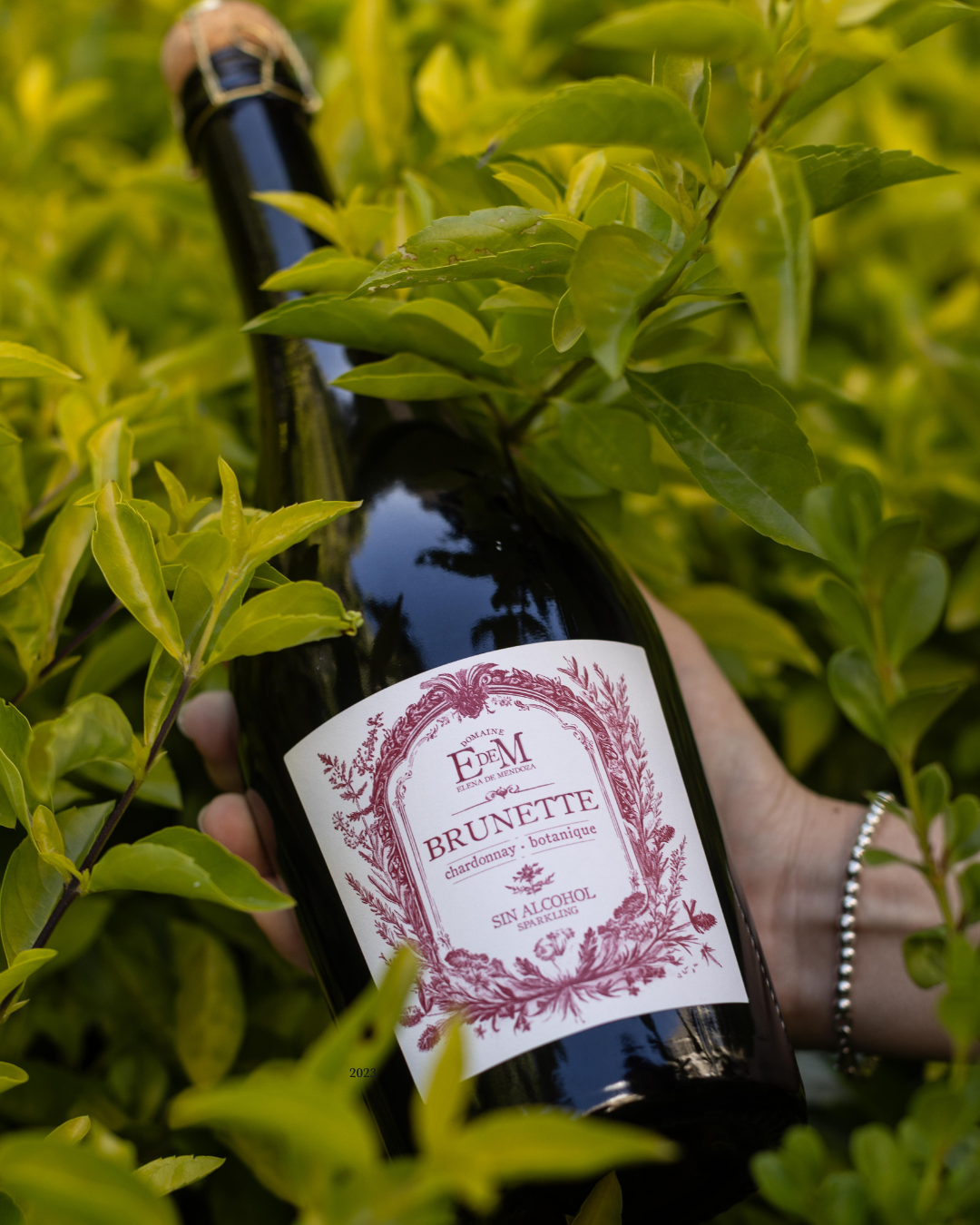
Domaine EdeM Chardonnay Argentina “Brunette” Botanical-Infused: A notable outlier, resembling a sparkling wine cocktail fortified with bitter Italian vermouth.

December 2025
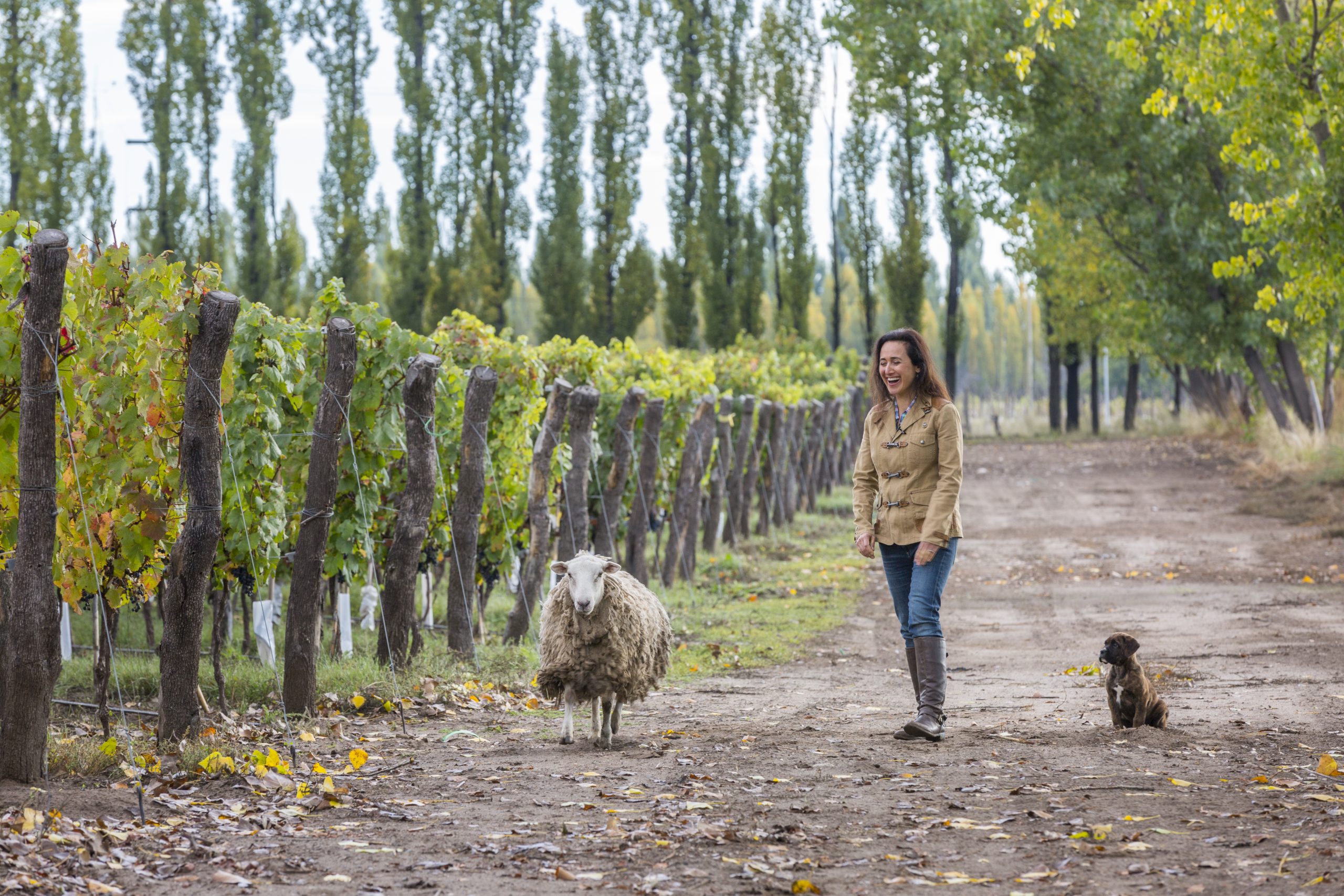
When ‘green’ means drinking differently: Laura Catena on Domaine EdeM, by Sophie Arundel
As the wine industry wrestles with what sustainability really means, Dr Laura Catena is reframing the debate — not around carbon alone, but around moderation. Her science-led Domaine EdeM project positions low- and no-alcohol wines as a vital part of a more sustainable drinking culture
When the wine trade talks about sustainability, the conversation usually turns to lighter bottles, water use, carbon footprints and cover crops. For Dr Laura Catena, however, sustainability starts somewhere else entirely: with how (and how much) we drink.
Going into 2026, Catena is launching Domaine EdeM, a science-led, low- and no-alcohol project developed by the Catena Institute of Wine. Rather than positioning the initiative primarily as an environmental play, Catena frames it as what she calls “a sustainability initiative for people”.
“Its all about creating a sustainable lifestyle,” she explains. “We need people to moderate alcohol consumption without just stopping drinking.”
The wines themselves are quietly ambitious. N.0 Rosæ, made from Airén grapes and finished with a natural rose-petal infusion, contains just 25 calories per 148ml serving — a figure Catena admits she initially questioned herself. Blonde (0%) and Brunette (0.4%) are sparkling apéritifs built around Chardonnay must, verjus and botanicals, while Uco Stones (7%) blends high-quality mountain Chardonnay with must and verjus to create a genuinely lower-alcohol wine, rather than a diluted one.
In a wine industry often characterised by “doom and gloom”, Domaine EdeM is Catena’s attempt to change the narrative — not by retreating, but by adapting. “This isn’t about fear,” she says. “It’s about solutions.”
September 2025
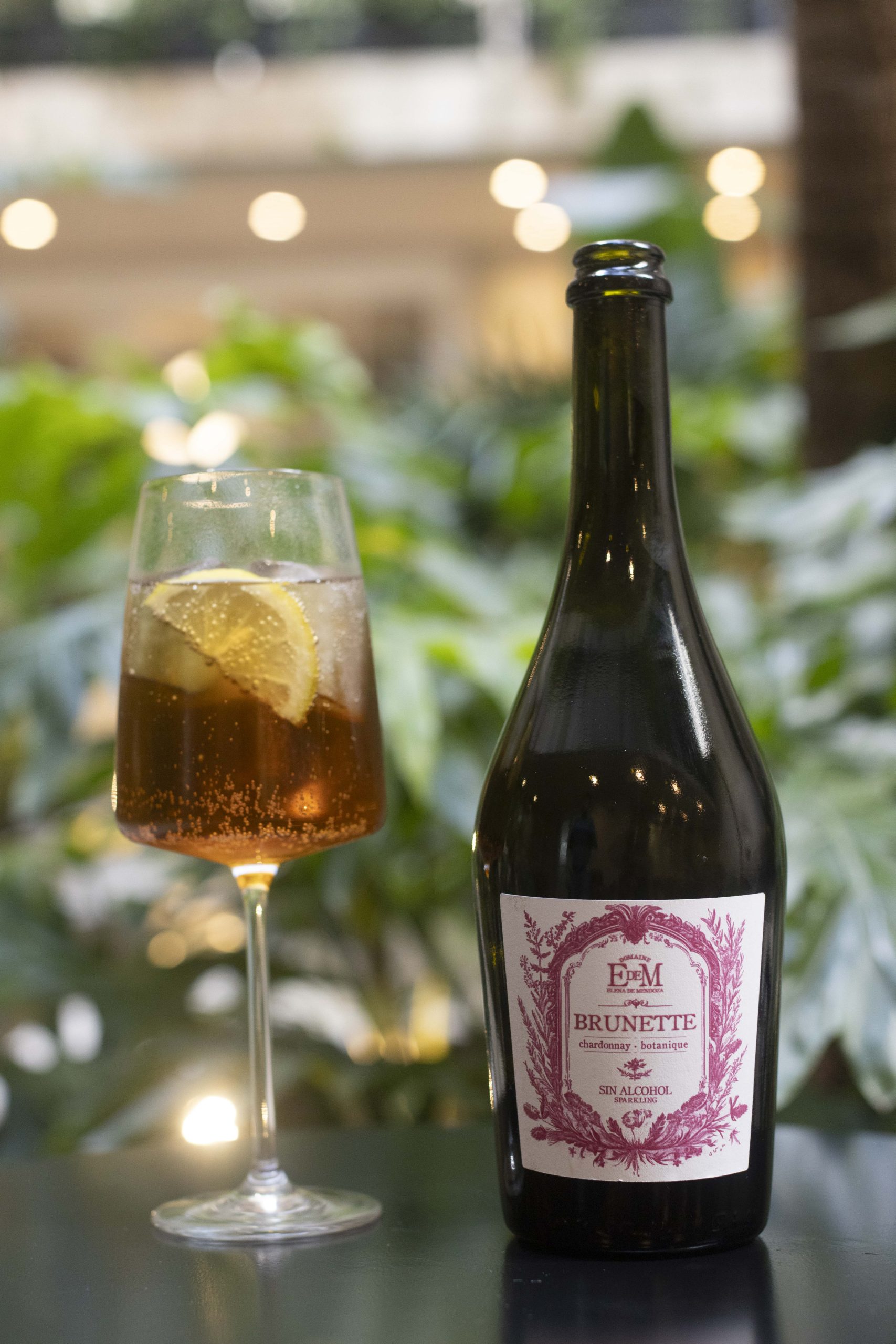
Alcohol-Free Brunette by Domaine EdeM Available in the US Starting October 2025
BRUNETTE, a no-alcohol botanical-infused sparkling Chardonnay made with the highest quality, high-altitude grapes, joins EdeM’s dealcoholized ROSÆ, a rose petal-infused, sparkling rosé.
The 2025 debut of Elena de Mendoza—EdeM—follows five years of experimentation with NOLO (no- and low- alcohol) wine beverages at the Catena Institute of Wine.
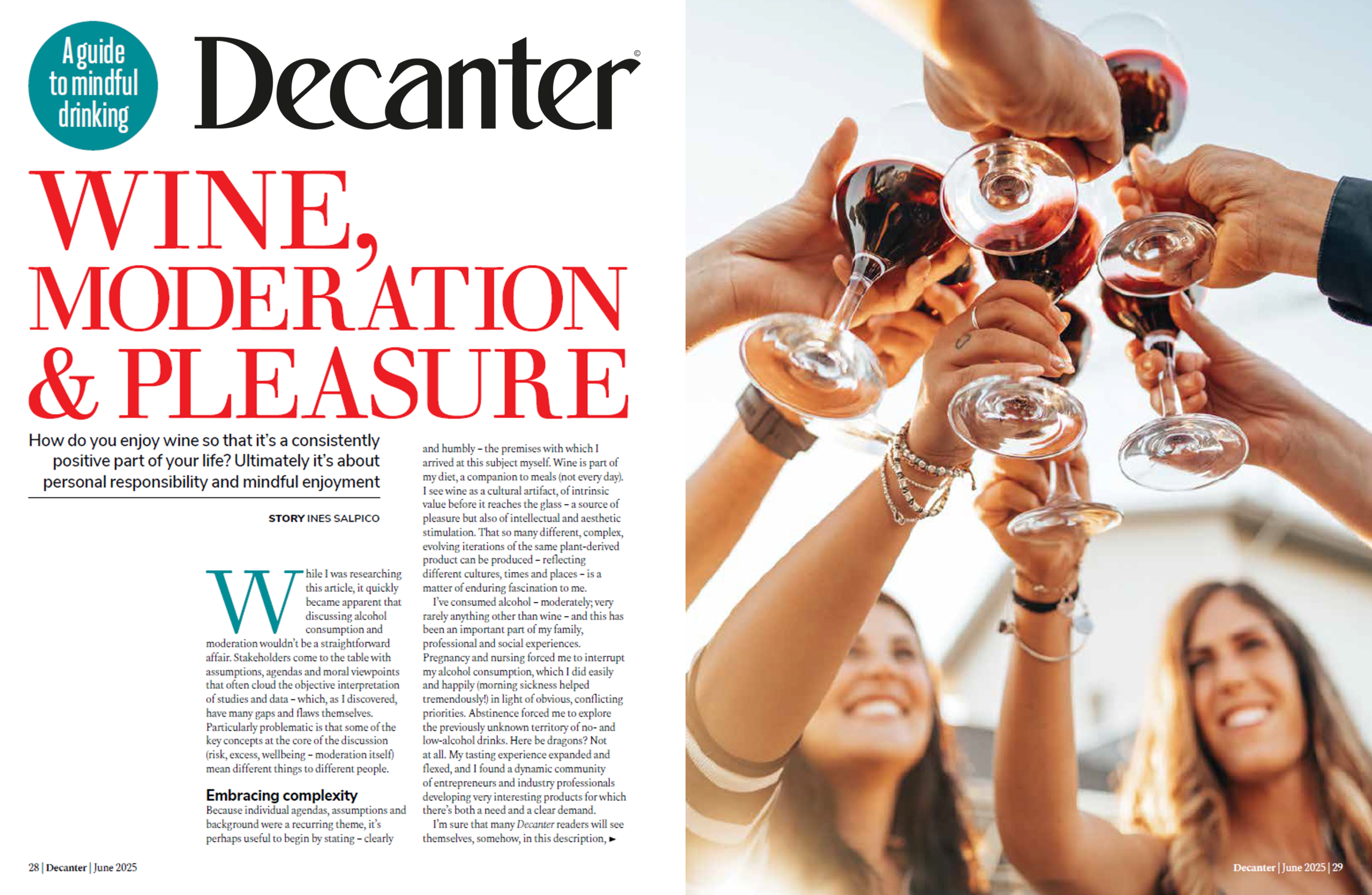
EdeM launched in Argentina with listings in several Michelin-starred restaurants, including two-starred Aramburu in Buenos Aires and Catena Zapata’s own Angélica – Cocina Maestra, in Mendoza. EdeM’s dealcoholized 0% ROSÆ was chosen as the ONLY recommended wine among no-alcohol offerings (which included beer, wine, teas and spirits) in Decanter Magazine’s June 2025 “Guide to Mindful Drinking.” Countless influencers have featured EdeM ROSÆ among their favorite NOLO beverages, and Catena U.S. importer Winebow depleted inventories within the first six months of release.
BRUNETTE by EdeM combines the Catena Institute’s experience making Argentina’s leading vermouth VINCENZO with terroir knowledge of the best cool climate, mountain Chardonnay. Dr. Laura Catena says: “When we started EdeM, I confirmed what everybody had told me, that there were great-tasting dealcoholized beers but no drinkable dealcoholized wine. To this day, the no-alcohol wine space is filled with dealcoholized wine from high-yielding, warm climate vineyards. At the Catena Institute, we think that the “wine is made in the vineyard” philosophy should also apply to NOLO beverages. This is why we are using our highest quality Chardonnay vitis vinifera “must” and “verjus,” as well as meticulously chosen natural botanicals for our botanical-infused Sparkling Chardonnay BRUNETTE.”
DECANTER – June 2025
Wine, Moderation & Pleasure
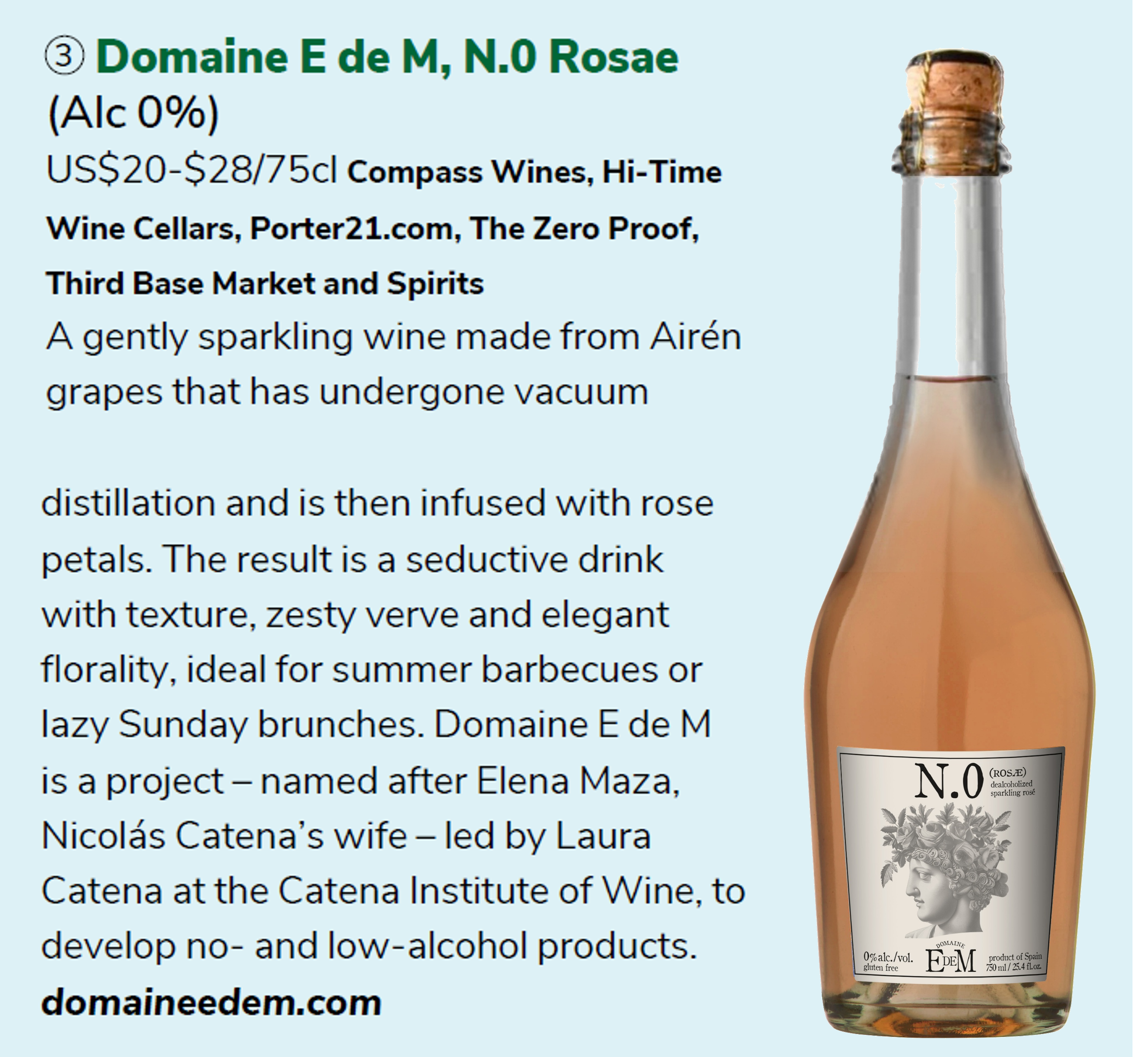
A gently sparkling wine made from Airén
grapes that has undergone vacuum
distillation and is then infused with rose
petals. The result is a seductive drink
with texture, zesty verve and elegant
florality, ideal for summer barbecues or
lazy Sunday brunches.

New 0% and low alcohol range under the Domaine EdeM brand named after Elena Maza
“A joint Spanish and Argentine project follows extensive research at the Catena Insitute of Wine of on how it could create a zero abv alcohol product using a cold alcohol extraction technique.
By using the Spanish variety, Airén, it believes it has the right base to work with first with low-temperature germination and then a vacuum distillation process and make a good quality wine-based drink. The result is a de-alcholised sparkling rosé – N.O ROSAE – that also includes an infusion of rose petals.
The key here is the “sparkling” aspect, stressed Laura Catena. The bubbles help give the wine the freshness, vibrancy and “vinous” life that the de-alcoholising process has taken out.”
February 2025

Catena Institute of Wine launches no- and low-alcohol wines
“Dante McDermott Catena, fifth generation of the Catena family, is part of this project – continuing his family’s legacy while also representing a new generation of wine lovers. As consumers embrace no- and low-alcohol alternatives, he looks forward to helping the Catena Institute of Wine contribute its expertise to this changing landscape.”
“My generation is leading the no/low movement, and I get it. Wine is about so much more than alcohol – it’s about culture, bringing people together, the flavours, and the ritual. Some nights, you just want a break from drinking but still want to be part of the experience. That’s why I’m excited to be working with the Catena Institute of Wine and Agustín Silva to create high-quality no/low options that let people enjoy wine in a new way.”
April 2024

The Catena Institute of Wine debuts verjus-driven no and low wine
“After two years of research, the Catena Institute of Wine is launching its first no and low alcohol wines, aiming for the premium market. Under the Domaine Elena de Mendoza label, the institute is introducing four products using an innovative verjus method to create no and low alcohol wines. The verjus, non-alcoholic juice made from unripe grapes, comes from premium Chardonnay grapes in the Uco Valley, Mendoza.”
“We did many experiments within the Catena Institute and travelled to see the latest technology in Europe,” says Agustin Silva, winemaker and team lead for the no and low wines at Catena Institute. Experiments included changing harvest times, working with unfermented must and verjus, as well as infusing different botanicals. “It was a lot of trial and error until we arrived at something that was delicious — that was always our objective: making something that tasted good.”
April 2025